


Chemical Structure and Key Properties
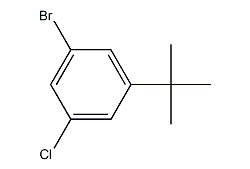
1-Bromo-3-tert-butyl-5-chlorobenzene is a halogenated aromatic compound characterized by a bromine atom at the first position, a tert-butyl group at the third position, and a chlorine atom at the fifth position of the benzene ring. Its molecular formula is C10H12BrCl, and it exhibits notable stability due to the electron-donating effects of the tert-butyl group.
This compound typically appears as a pale yellow to light brown crystalline solid. It demonstrates moderate solubility in common organic solvents such as dichloromethane, tetrahydrofuran, and toluene, while being insoluble in water. Buyers should note that its reactivity is largely influenced by the halogen atoms, making it suitable for electrophilic substitution reactions in organic synthesis.
Common Applications in Industry
1-Bromo-3-tert-butyl-5-chlorobenzene serves primarily as a chemical intermediate in the synthesis of pharmaceuticals, agrochemicals, and specialty chemicals. Its bromine and chlorine functionalities enable selective reactions, facilitating the creation of more complex molecules used in active pharmaceutical ingredients (APIs).
In agrochemical production, this compound can act as a precursor for herbicides or fungicides, where precise chemical modifications are required. Additionally, in material science, derivatives of 1-Bromo-3-tert-butyl-5-chlorobenzene may be employed in the preparation of polymers or specialty resins. Understanding these applications helps buyers assess the relevance of this compound to their manufacturing or research needs.
Purity Standards and Quality Indicators
The quality of 1-Bromo-3-tert-butyl-5-chlorobenzene is critical for ensuring consistent results in downstream applications. Standard purity levels for industrial use typically range from 98% to 99%, verified through techniques such as gas chromatography (GC) or nuclear magnetic resonance (NMR) spectroscopy.
Key quality indicators include minimal presence of residual solvents, absence of heavy metal contaminants, and clear physical appearance. Buyers should also confirm the certificate of analysis (CoA) from reputable suppliers to ensure compliance with industry specifications. High purity not only enhances reaction efficiency but also reduces the risk of unwanted by-products in sensitive chemical syntheses.
Handling and Safety Guidelines
Safe handling of 1-Bromo-3-tert-butyl-5-chlorobenzene is paramount. The compound should be stored in a cool, dry, and well-ventilated area, away from incompatible substances such as strong oxidizers or acids. Proper personal protective equipment (PPE) is essential, including gloves, goggles, and lab coats, to minimize skin and eye contact.
In case of spills, absorbent materials should be used, and contaminated surfaces should be cleaned immediately following standard laboratory protocols. Disposal of waste must adhere to local environmental regulations. Buyers and operators should be aware of potential hazards such as moderate toxicity, irritation, or flammability under certain conditions, emphasizing the need for comprehensive safety training.
Common Buyer Mistakes and How to Avoid Them
Many buyers encounter issues due to insufficient knowledge of the compound’s specifications and handling requirements. Common mistakes include:
1. Purchasing without confirming the exact purity needed for their application.
2. Storing the chemical under inappropriate conditions, leading to degradation.
3. Overlooking supplier certifications and analytical documentation.
To avoid these pitfalls, buyers should establish clear criteria for purity, source only from certified suppliers, and implement proper storage and handling procedures. Being proactive about these considerations ensures reliable performance and reduces the risk of costly errors in chemical production.
Comprehensive knowledge of 1-Bromo-3-tert-butyl-5-chlorobenzene—from its chemical structure and industrial applications to purity standards and handling precautions—is essential for informed purchasing decisions. Following best practices and avoiding common mistakes helps buyers maximize both safety and efficiency in chemical synthesis and production processes.
