


Pharmaceutical intermediates are chemical compounds formed during the multi-step synthesis of active pharmaceutical ingredients (APIs). They are not final drug products but play a critical role in determining the efficiency, purity, and scalability of pharmaceutical manufacturing. Understanding the different types of pharmaceutical intermediates is essential for manufacturers, procurement specialists, and R&D professionals aiming to optimize drug development and production.
This article provides a structured classification of pharmaceutical intermediates, covering their chemical nature, production stages, sources, functional roles, and industrial significance.
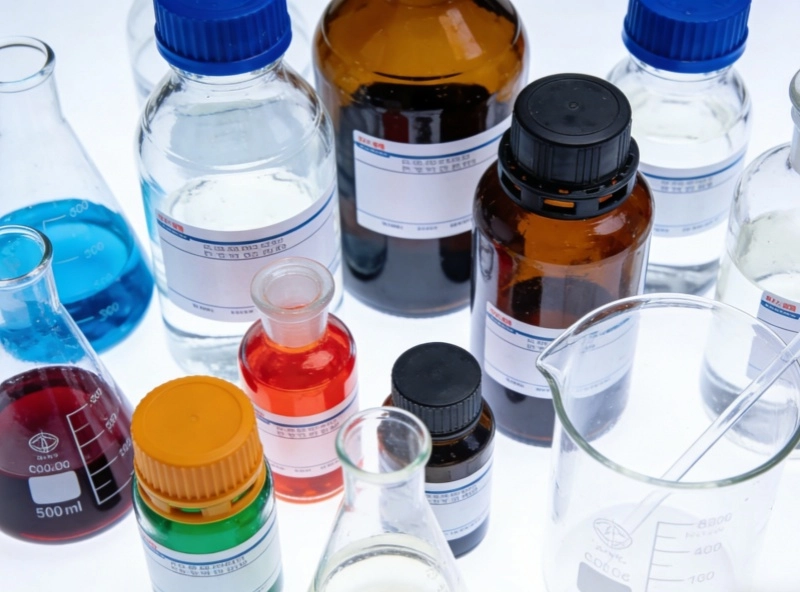
Types by Chemical Structure of Pharmaceutical Intermediates
One of the most fundamental ways to classify pharmaceutical intermediates is based on their chemical structure. This classification directly influences reactivity, stability, and compatibility with downstream synthesis steps.
Aromatic Intermediates
Aromatic intermediates contain benzene rings or other conjugated systems. These compounds are widely used in the synthesis of antibiotics, anti-inflammatory drugs, and cardiovascular medications due to their stability and predictable substitution patterns.
Aliphatic Intermediates
Aliphatic intermediates are composed of straight or branched carbon chains. They are typically more reactive than aromatic compounds and are commonly used in the production of analgesics and certain antiviral drugs.
Heterocyclic Intermediates
Heterocyclic intermediates contain ring structures with atoms such as nitrogen, oxygen, or sulfur. These are among the most important pharmaceutical intermediates, as a large proportion of APIs include heterocyclic moieties. Their versatility makes them indispensable in modern drug discovery.
Chiral Intermediates
Chiral intermediates possess stereocenters and exist as enantiomers. In pharmaceutical synthesis, chirality is crucial because different enantiomers can exhibit significantly different biological activities. The use of enantiomerically pure intermediates is especially important in high-value drug production.
Early vs. Late-Stage Pharmaceutical Intermediates
Another important classification is based on the stage of synthesis at which the intermediate appears.
Early-Stage Intermediates
These are produced in the initial steps of synthesis and are usually simpler in structure. They are often manufactured in bulk quantities and may have broader industrial applications beyond pharmaceuticals.
Late-Stage Intermediates
Late-stage intermediates are closer in structure to the final API. They require higher purity, stricter process control, and often involve more complex chemical transformations. These intermediates are critical in determining the final product’s quality and regulatory compliance.
Understanding the distinction between early and late-stage pharmaceutical intermediates helps manufacturers allocate resources effectively and implement appropriate quality assurance measures.
Synthetic vs. Natural Pharmaceutical Intermediates
Pharmaceutical intermediates can also be categorized based on their origin, which has become increasingly relevant with the rise of sustainable and green chemistry practices.
Synthetic Intermediates
Synthetic pharmaceutical intermediates are produced through chemical reactions using petrochemical or inorganic raw materials. They dominate the pharmaceutical industry due to their scalability, cost-effectiveness, and consistent quality.
Natural Intermediates
Natural intermediates are derived from plant, animal, or microbial sources. These intermediates are often used in the production of complex drugs such as alkaloids, peptides, and certain anticancer agents.
Bio-Based Intermediates
A growing segment within this category includes bio-based intermediates produced via fermentation or biotechnological processes. These intermediates support environmentally friendly manufacturing and reduce dependence on fossil resources.
Functional Types in Drug Development
From a functional perspective, pharmaceutical intermediates can be classified according to their role in drug development and synthesis pathways.
Building Block Intermediates
These are basic molecular units used to construct more complex compounds. They are typically versatile and can be used across multiple drug synthesis routes.
Key Intermediates
Key intermediates are compounds that define the core structure of the API. They are often unique to a specific drug and require strict intellectual property and process control.
Advanced Intermediates
Advanced intermediates are structurally very close to the final API. They usually undergo only a few final transformation steps before becoming the active ingredient.
This functional classification is particularly useful for pharmaceutical companies and CDMOs when designing synthesis strategies and optimizing process efficiency.
Bulk vs. Fine Pharmaceutical Intermediates
From an industrial and commercial standpoint, pharmaceutical intermediates are often divided into bulk and fine categories.
Bulk Intermediates
Bulk pharmaceutical intermediates are produced in large volumes and are generally less complex. They are typically used in early-stage synthesis and may serve multiple industries, including agrochemicals and specialty chemicals.
Fine Intermediates
Fine pharmaceutical intermediates are produced in smaller quantities but require higher purity and more sophisticated manufacturing processes. These intermediates are often tailored for specific APIs and must comply with stringent regulatory standards.
The distinction between bulk and fine intermediates is critical for supply chain management, cost control, and regulatory compliance in pharmaceutical manufacturing.
