


What is 4-Isopropylresorcinol?
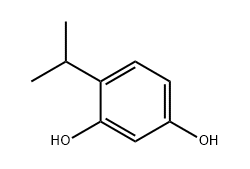
4-Isopropylresorcinol is a substituted phenolic compound derived from resorcinol, characterized by the presence of an isopropyl group on the aromatic ring. While it may look like a simple molecule at first glance, it plays a meaningful role in several high-value applications, particularly in pharmaceuticals, cosmetics, and fine chemical synthesis.
In my experience working with both formulation scientists and chemical buyers, 4-Isopropylresorcinol is often chosen because it combines phenolic activity with improved molecular stability. Compared with basic resorcinol, the isopropyl substitution subtly alters its chemical behavior, making it more suitable for controlled, application-focused use rather than purely academic research.
For newcomers, the most important thing to understand is that 4-Isopropylresorcinol is not a bulk commodity—it is a functional ingredient selected for specific performance characteristics.
Key Properties of 4-Isopropylresorcinol
The properties of 4-Isopropylresorcinol explain why it is so widely used in formulation-driven industries. It is typically supplied as a solid crystalline powder, with good stability under normal storage conditions. Like other phenolic compounds, it exhibits moderate polarity, which allows it to interact effectively with both active ingredients and formulation matrices.
One notable advantage is its balanced reactivity. The phenolic hydroxyl groups remain chemically active, while the isopropyl group provides steric protection, reducing unwanted side reactions. This balance is especially important in cosmetic and pharmaceutical applications, where predictability and consistency matter more than aggressive reactivity.
From a practical standpoint, its stability, manageable solubility in suitable solvents, and consistent performance make 4-Isopropylresorcinol easy to work with—even for teams that are new to phenolic compounds.
How does 4-Isopropylresorcinol Work?
To understand how 4-Isopropylresorcinol works, it helps to focus on its phenolic structure. Phenolic compounds are well known for their ability to interact with biological and chemical systems through hydrogen bonding and redox behavior. In 4-Isopropylresorcinol, these effects are moderated by the isopropyl group, resulting in controlled activity rather than excessive reactivity.
In real-world applications, this means the compound can deliver its intended functional effect—whether as an active ingredient or a supporting component—without destabilizing the overall system. Over the years, I’ve seen formulators favor this compound precisely because it behaves consistently across different batches and formulations.
For beginners, this reliability is a major advantage. It reduces trial-and-error during development and shortens the path from concept to finished product.
Applications of 4-Isopropylresorcinol in Pharmaceuticals and Cosmetics
The applications of 4-Isopropylresorcinol are primarily driven by its controlled phenolic activity. In the pharmaceutical sector, it is commonly used as an intermediate or functional component in specialty formulations where stability and precision are critical.
In cosmetic and personal care products, 4-Isopropylresorcinol is particularly valued for its role in skin-related formulations, where it contributes to performance without causing excessive irritation. Compared with more reactive phenolic compounds, it offers a better balance between effectiveness and formulation safety.
From an industry perspective, this versatility is exactly what makes the compound attractive. It fits well into modern, performance-driven formulations, especially those designed for long-term stability and consistent user experience.
Choosing High-Quality 4-Isopropylresorcinol
Selecting high-quality 4-Isopropylresorcinol is essential, especially for beginners. In my professional experience, most formulation problems do not come from incorrect chemistry—but from inconsistent raw materials.
When sourcing this compound, buyers should pay close attention to purity, batch consistency, and supplier documentation. High-quality material ensures predictable performance, cleaner formulations, and fewer downstream issues during scale-up. Reliable suppliers will also provide clear specifications and technical support, which can be invaluable when you are working with the compound for the first time.
Simply put, investing in quality at the sourcing stage saves time, cost, and frustration later in development.
